Loading...

A human premium grows as AI reshapes creativity
85%
Originality
95%
Accuracy
0%
Upvotes
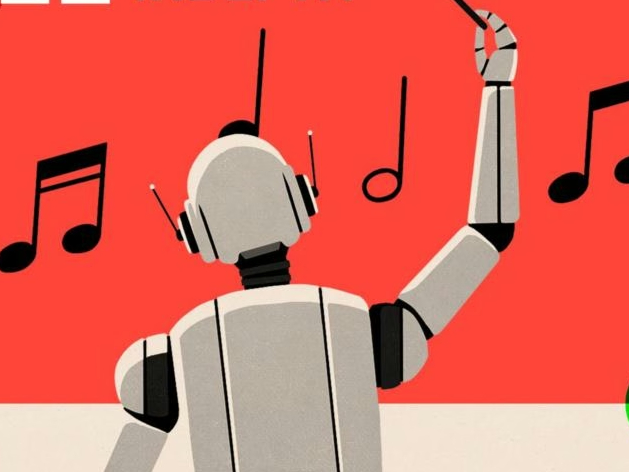
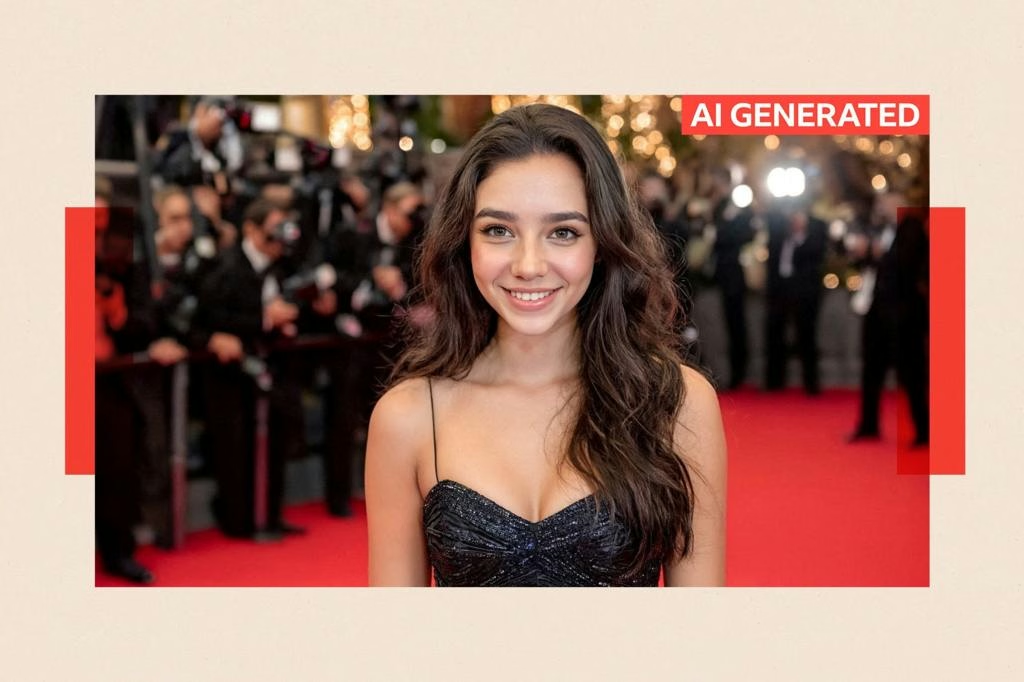
As artificial intelligence floods creative markets, a counter-trend is gaining ground. Audiences are increasingly assigning extra value to work they know was made by people, a shift experts call a human premium.
Data from the music streaming service Deezer highlights the scale of this transition. The platform reports that 44% of its uploaded tracks are now AI-generated. When asked to identify the creators, 97% of listeners could not tell the difference. Despite that technical blending, more than half of those surveyed said they still care about human involvement and want people behind the work.
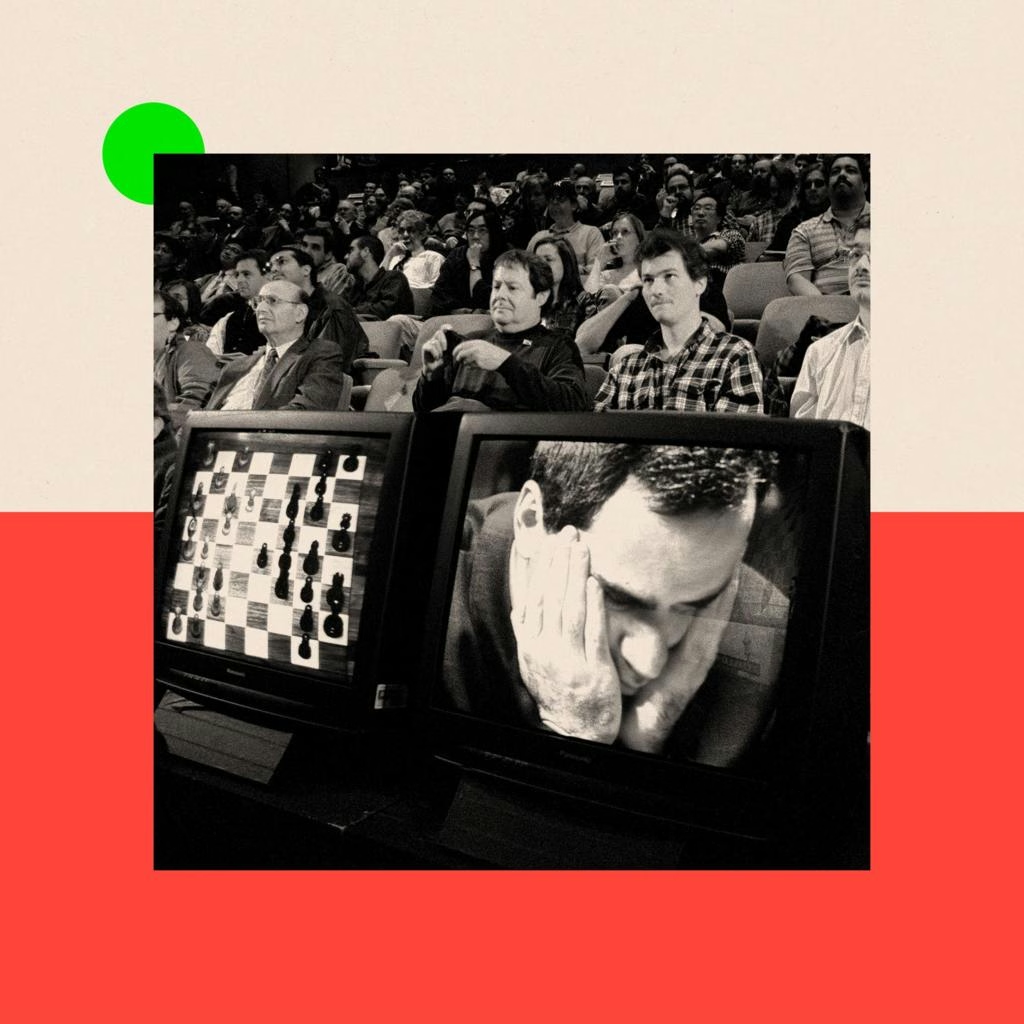
Experts argue this preference stems from how we process creativity. Daniel Susskind, an economics professor at King's College London, says people value the shared human experience of creation more than the final product. He points to historical moments like Garry Kasparov’s 1997 chess loss to IBM’s Deep Blue. Even when machines surpass human skill, audiences remain drawn to the fact that a person is making the decisions. The same logic applies to art. People feel a distinct connection when they know a human mind designed the work.
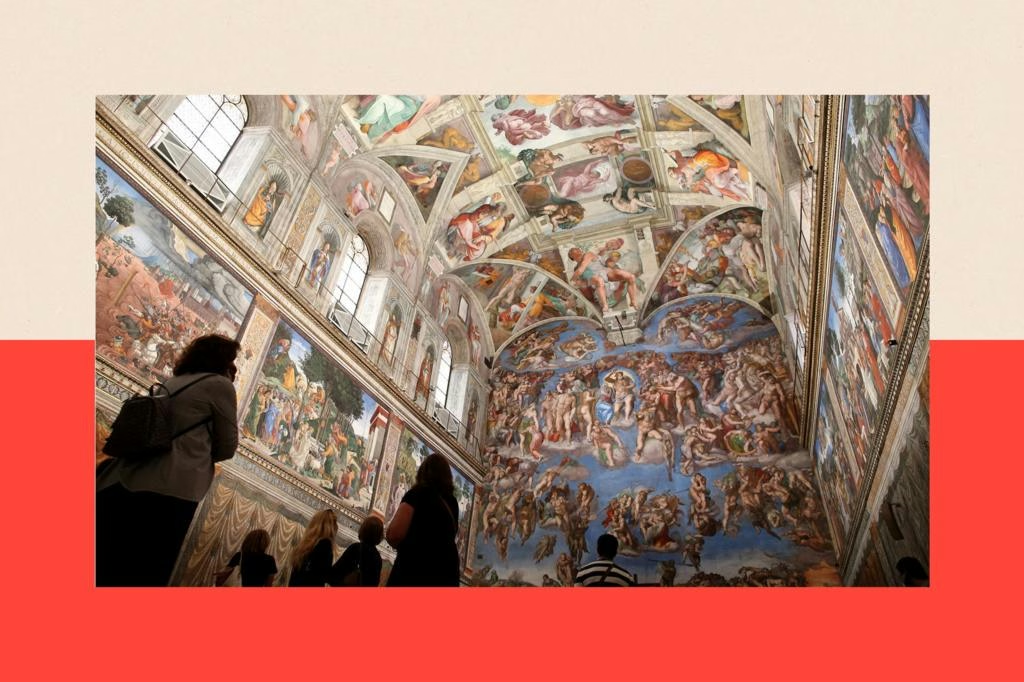
The market is already reacting to this demand. Publishers and filmmakers are attaching AI-free labels to their work. In visual arts, designers are deliberately moving away from polished, predictable styles. Kyle Chayka, a journalist at The New Yorker, says readers are gravitating toward writing that feels personal and imperfect rather than algorithmically perfected. "I think readers are coming to value very obviously personal writing, and maybe even writing that's messier, less structurally sound or composed or perfected, than they maybe once would've desired." Creators are leaning into weirder, more unusual work specifically because it resists easy AI replication.
Yet this human premium faces a structural threat. Cultural discovery has shifted from human recommendations to algorithmic feeds. Predictive systems now sort and serve content based on past behavior. This convenience creates a self-reinforcing loop where audiences receive what they expect rather than what challenges them. Kyle Chayka notes that this passive consumption model can make people lazy and prevent them from engaging with difficult or transformative art. If audiences grow accustomed to machine-curated culture, they may eventually shrug at machine-made content.
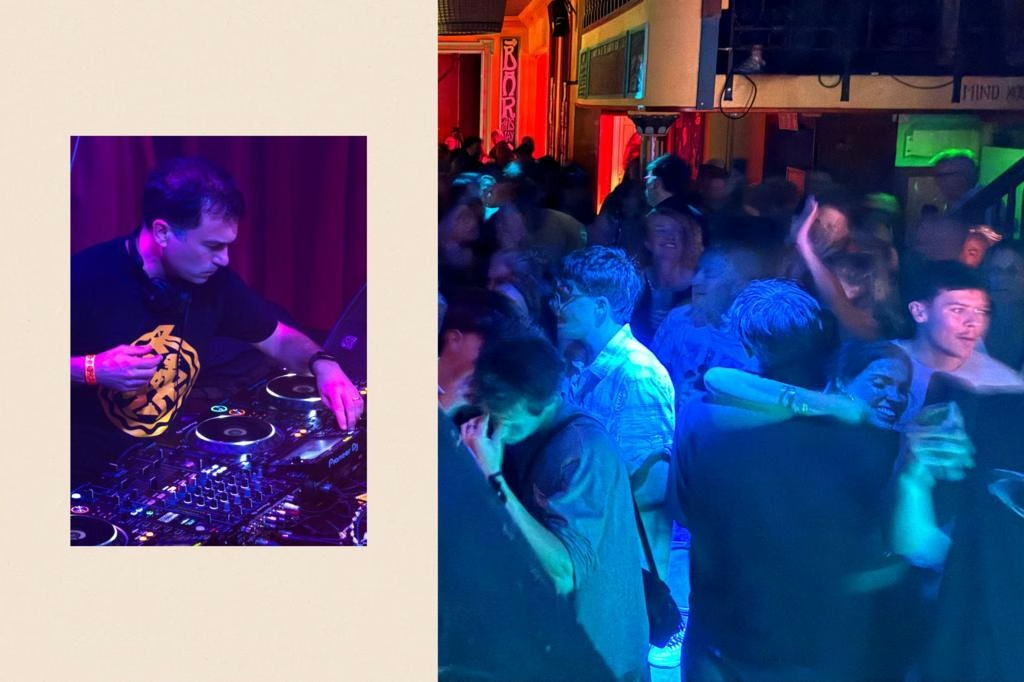
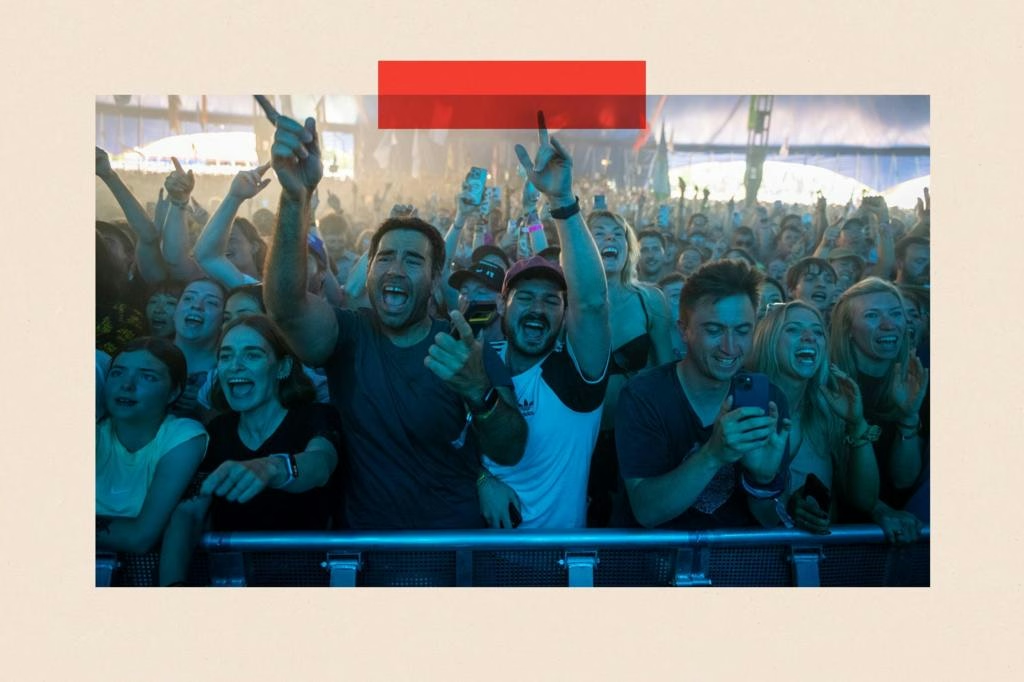
Some sectors are already pushing back against digital saturation. Live entertainment is seeing a surge in attendance as people seek unpredictable, shared experiences. Alex Mahon, chief executive of Superstruct Entertainment, says audiences want to step away from screens. "People want to go to more live things. They want to have things that are unforeseeable… unpredictable. The special moment is live. The excitement, the discovery is hearing it in person with others." Recent events like Lorde’s 11.30am performance at the 2025 Glastonbury Festival drew large crowds, reflecting this appetite for real-world presence.
The tension between automated creation and human appreciation is not new. Similar debates played out during the calculator protests of 1986 and the rise of digital music in the 1990s. Technology always changes how we consume culture, but it does not erase the human desire for connection. Whether the premium holds depends on individual choice. Audiences will keep deciding when human effort matters, and they will keep rewarding it.